
Brichot’s Fall from Favor
In Search of Lost TimeBrichot’s academic prestige and devotion to the Verdurin circle give way to marginalization as his attachment to Mme de Cambremer conflicts with the hostess’s control.
increasing Bearing strength in each event
 decreasing
Bearing strength in each eventdecreasingThe Scholar’s Prestige

A Public Academic
Professional standing
Brichot is an established scholar whose name carries authority among his colleagues. His membership in the Verdurin circle adds a distinct social glamour.
Two identities
He moves between academic labor and salon life. Each world interprets his manners and knowledge differently.
The Most Faithful Guest

Devotion to Wednesdays
A dependable member
Brichot attends the Verdurin dinners with unusual regularity. His work schedule leaves him time for the salon, where he feels valued.
An unequal exchange
The hostess enjoys his loyalty but increasingly finds him too obedient. His devotion does not protect him from changing tastes.
An Attachment Emerges
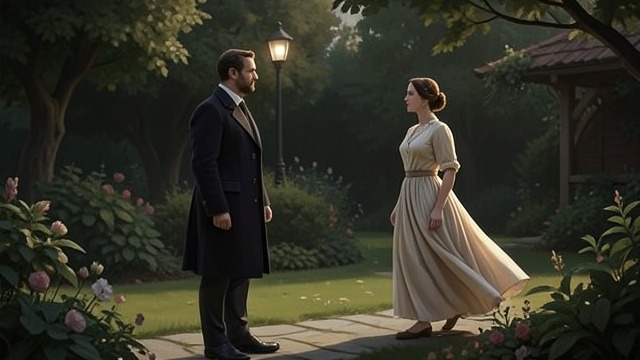
The Scholar and the Marquise
A private attraction
Brichot becomes enamored of Mme de Cambremer. His visits and conversations begin to draw him away from the circle’s routines.
A threat to the salon
Madame Verdurin sees the attachment as a possible defection. Her concern is less about Brichot’s happiness than about keeping control of a faithful member.
The Hostess Intervenes

Loyalty Enforced
A private remonstrance
Madame Verdurin tells Brichot that Mme de Cambremer does not care for him and that his behavior risks his reputation. She invokes his age and domestic life.
A relationship cut short
Brichot stops visiting the Marquise. The intervention succeeds but leaves him emotionally devastated.
A Scholar’s Blindness

Decline and Loyalty
Physical consequence
Brichot’s sight worsens, and his disappointment intensifies his sense of isolation. He remains attached to the salon even as Madame Verdurin grows tired of him.
Affection without reciprocity
He continues to regard her as his best friend. The asymmetry reveals how social dependence can survive after the welcome that produced it has faded.
Before the summer at La Raspelière
During the early summer gatherings
During the later weeks at La Raspelière
After Brichot’s visits to Féterne become noticeable
In the days after the intervention
